This post may contain affiliate links. If you buy through them we may earn a commission at no extra cost to you. Learn more.
Investing in luxury makeup brushes is a commitment to the quality and application of your cosmetics. Proper maintenance is essential to keep these tools functioning as intended.
Understanding the delicate nature of high-end brush hairs, whether natural or synthetic, ensures that your tools remain soft and precise for as long as possible. This guide provides a practical approach to cleaning and sanitizing your collection.
Why Proper Brush Care Matters
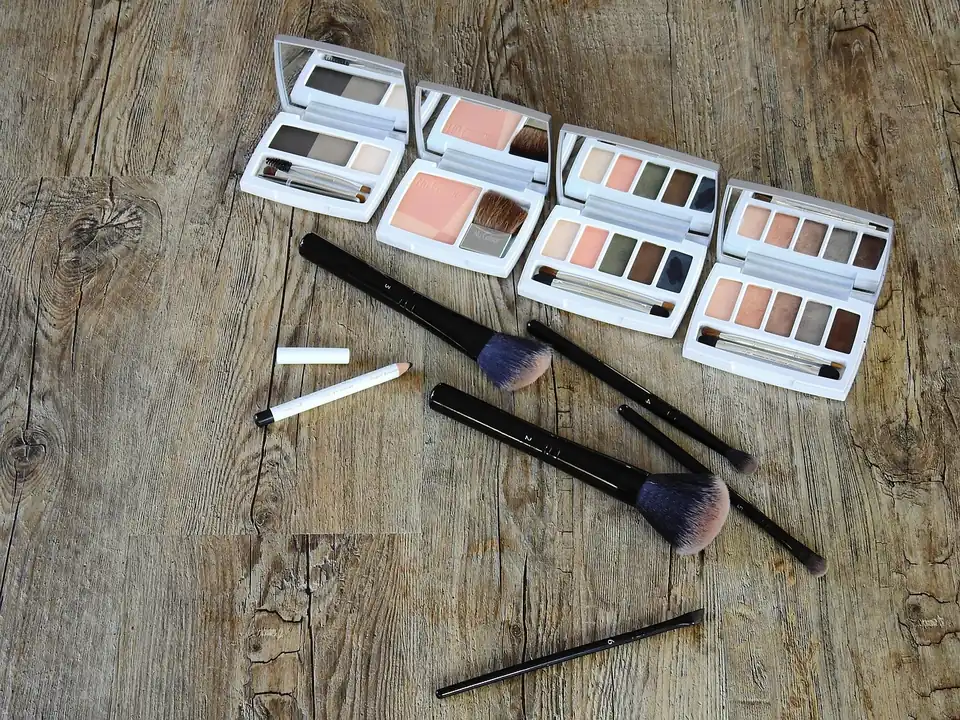
Makeup brushes collect pigment, oils from the skin, and debris over time. When used frequently, these substances build up within the bristles, which can alter the way a brush performs during application. For example, a dense brush designed for best luxury foundations may struggle to blend product evenly if the fibers are saturated with old residue.
Maintaining clean brushes is primarily about tool longevity. By removing buildup, you help the fibers retain their original shape and flexibility. This is particularly important for brushes crafted from premium materials that require careful handling to prevent breakage or shedding.
What You Need
To clean your brushes safely, gather a few essential items. A gentle cleanser is the foundation of the process; many brands offer specialized brush shampoos designed to be non-stripping for natural fibers. If you prefer, a mild, fragrance-free baby shampoo or a gentle soap can also be effective.
- A dedicated brush cleanser or mild shampoo.
- A clean, lint-free microfiber towel or paper towels.
- A sink or basin with access to lukewarm water.
- A brush drying rack or a towel to lay brushes flat.
Steps for Cleaning Your Brushes
Consistency is key to maintaining your tools. Follow these steps to clean your brushes without compromising the structural integrity of the ferrule or the handle.
- Rinse the bristles with lukewarm water, keeping the water flow directed at the tips of the hair rather than the base of the handle. Avoid submerging the ferrule.
- Apply a small amount of cleanser to the palm of your hand or a silicone cleaning mat. Gently swirl the brush in the cleanser to lift residue.
- Massage the bristles carefully, ensuring the cleanser penetrates the center of the brush head.
- Rinse the brush thoroughly under lukewarm water until the water runs clear and no suds remain.
- Squeeze out excess water by gently pressing the bristles against a clean towel. Avoid tugging or pulling on the hairs.
- Reshape the brush head and place it on a drying rack or a clean towel, with the bristle tips hanging off the edge of a counter to ensure airflow on all sides.
Common Mistakes to Avoid
When cleaning high-end brushes, certain habits can cause irreparable damage. One of the most significant errors is getting the ferrule—the metal piece holding the bristles—wet. Water inside the ferrule can weaken the glue, leading to shedding or a loose brush head.
Another mistake is drying brushes upright. This allows water to trickle down into the ferrule and handle, which may compromise the integrity of the wood or metal. Additionally, avoid using high heat, such as hair dryers, to speed up the drying process. Always allow your brushes to air dry naturally in a well-ventilated area.
How Often to Clean Your Brushes
The frequency of cleaning depends on how often you use your brushes and the types of products they handle. Brushes used for liquid or cream products, such as those used for Rare Beauty Soft Pinch Liquid Blush, should be cleaned more frequently to prevent product buildup and hardening of the bristles.
A general guideline is to perform a deep clean every one to two weeks. If you notice the bristles becoming stiff, discolored, or failing to blend product smoothly, it is likely time for a thorough cleaning. Between deep cleans, you may consider using a quick-drying daily brush spray to remove surface-level pigment.
When to Skip Cleaning or Replace Your Brushes
While regular cleaning is beneficial, there are times when a brush may be beyond simple maintenance. If you notice significant shedding, a loose ferrule that rotates, or if the bristles have lost their shape to the point that they are no longer effective for application, the tool may have reached the end of its lifespan.
For complex handle issues, such as cracked wood or deep scratches in the casing, it is usually best to avoid attempted repairs at home, as specialized tools are often required to maintain the original finish. Always consult the care instructions provided by the brush manufacturer if you are unsure about the material requirements.
Frequently asked questions
Can I use boiling water to sanitize my makeup brushes?
No, you should never use boiling or very hot water. High temperatures can melt synthetic fibers and damage natural hair, as well as compromise the glue inside the ferrule.
Is it okay to use a hair dryer to dry my brushes quickly?
It is not recommended to use a hair dryer. Excessive heat can warp the bristles and damage the brush structure; it is best to let them air dry naturally.
How can I tell if a brush is truly clean?
The brush is clean when the water running through the bristles is completely clear and no pigment or soap suds are visible after rinsing.
Final thoughts
Taking the time to clean your high-end makeup brushes properly is a simple way to protect your investment and ensure a consistent application. By following these gentle methods and allowing your tools to air dry correctly, you can preserve their quality for years to come.
As with all skincare and beauty routines, remember that results can vary depending on the frequency of use and the formulas applied. If you have concerns about skin sensitivities or specific brush materials, consult with a beauty professional or reach out to the brand for their specific care guidelines.