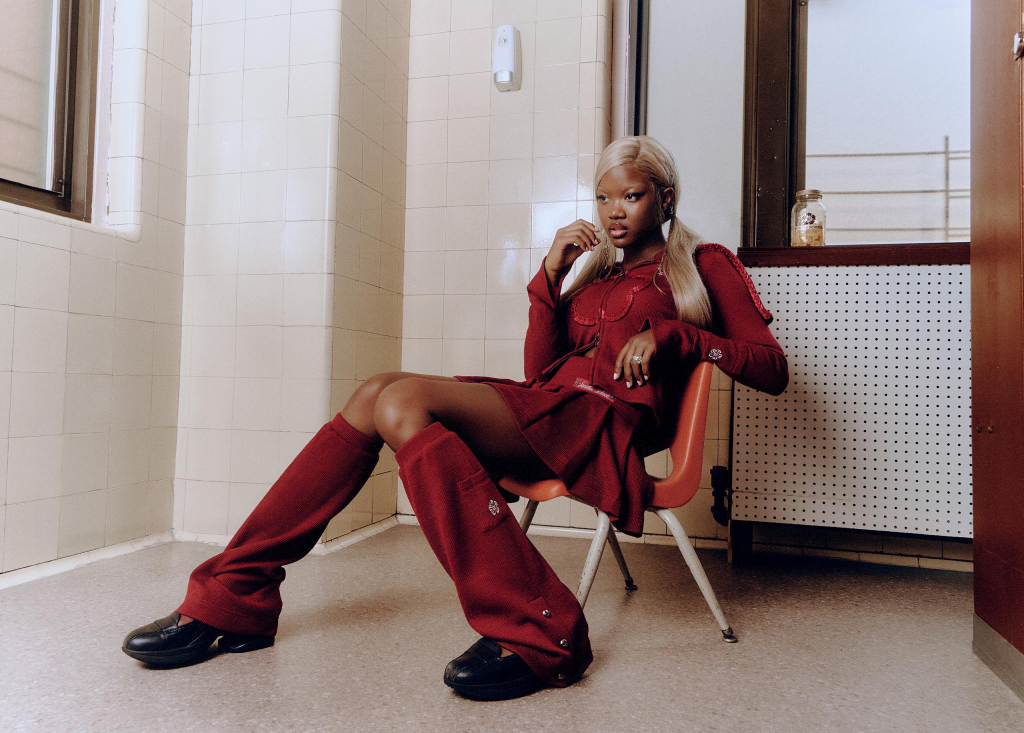

Autumn arrives with a quiet shift in the air, replacing summer’s warmth with a gentle chill that encourages us to reach for layers. Dressing for this season is not simply about staying warm; it is about mastering the balance between practicality and elegance. Layering becomes the cornerstone of autumn style, allowing outfits to adapt to changing temperatures while showcasing personal taste. This guide focuses on building outfits through thoughtful layering, using garments that are versatile, comfortable, and timeless.
Understanding how to combine base layers, mid-layers, and outerwear is essential for achieving a polished yet relaxed autumn look. Rather than relying on bulky pieces, the goal is to create warmth through lightweight layers that provide flexibility throughout the day. A well-fitted long-sleeve top, a soft knit sweater, and a structured coat can work together to offer depth and dimension without feeling heavy. Each layer should serve a purpose—whether it adds insulation, texture, or visual balance.
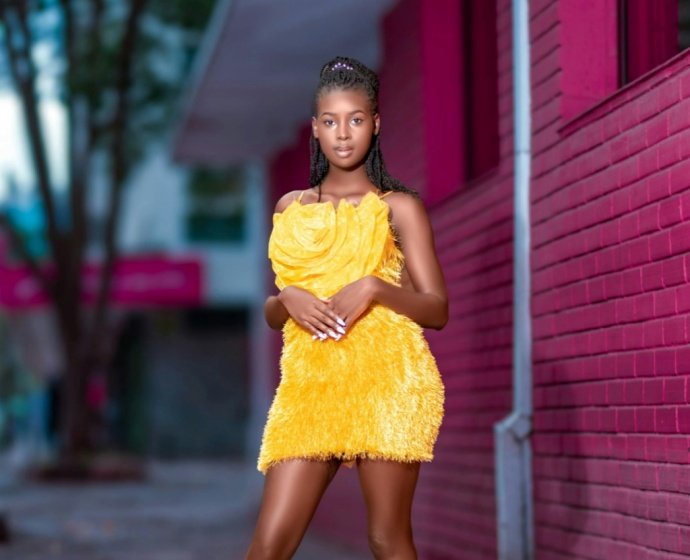
As temperatures fluctuate, so does the role of each garment. A base layer sets the foundation, often crafted from breathable cotton or moisture-wicking fabrics that maintain comfort. The mid-layer introduces texture and warmth, typically through knitwear or light fleece. Outerwear completes the ensemble, offering protection against wind and crisp air. Choosing pieces in complementary tones, such as camel, charcoal, cream, and deep burgundy, ensures effortless coordination and a cohesive wardrobe. These colors not only evoke the earthy essence of autumn but also pair beautifully with each other.
One of the most practical aspects of layering is its adaptability. A cardigan that is essential in the morning can be removed during the afternoon sun, while a scarf can be added in the evening to retain heat. Mastering this flexibility allows outfits to transition seamlessly from indoor to outdoor settings, making layering an indispensable technique for daily wear. However, the key lies in proportion. Each layer should align with the silhouette, avoiding unnecessary bulk by opting for slimmer base pieces and gradually increasing volume outward.

Beyond function, layering introduces visual interest. Different fabrics—such as wool, denim, and corduroy—add depth to an outfit, enhancing its sophistication. A ribbed knit worn under a tailored coat provides contrast, while a lightweight turtleneck beneath a blazer adds refinement. These combinations allow even simple garments to appear thoughtfully styled. Accessories, though secondary, also contribute to layering. A structured scarf or a simple belt can subtly define the outfit and provide an additional element of polish.
Mastering autumn layering is not about owning more clothing but about maximizing the use of essential garments. With a curated selection of staple pieces, it becomes possible to create multiple outfits through strategic pairing. Neutral palettes form the backbone, while occasional accents in olive, rust, or navy introduce variety. The objective is a wardrobe that is cohesive yet versatile, capable of reflecting personal style while maintaining practicality.
As we explore the principles of layering throughout this guide, focus will be placed on building combinations suitable for various settings—from professional environments to weekend walks. Emphasis will be placed on fabric choice, fit, and proportion, ensuring that warmth does not compromise elegance. With careful planning, layering becomes an intuitive process, enabling effortless dressing throughout the autumn season.